About
The Cornell Phonetics Lab is a group of students and faculty who are curious about speech. We study patterns in speech — in both movement and sound. We do a variety research — experiments, fieldwork, and corpus studies. We test theories and build models of the mechanisms that create patterns. Learn more about our Research. See below for information on our events and our facilities.
Upcoming Events
4th November 2026 12:20 PM
Phonetics Lab Meeting
Annabelle will discuss her speech synthesis project.
Location: B11 Morrill Hall, 159 Central Avenue, Morrill Hall, Ithaca, NY 14853-4701, USA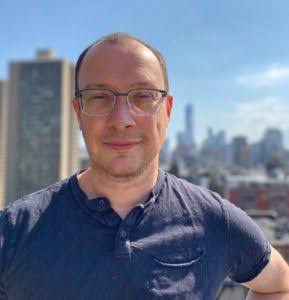
6th November 2026 04:30 PM
Dan Kaufman to give Keynote talk on America's Endangered Languages
As part of the three-day Language, Memory, Future: Celebrating 250 Years of Language in Our Region celebration, Dr.Daniel Kaufman, Director, Endangered Language Alliance, & Associate Professor, Queens College, will give a keynot talk titled:
America’s languages under threat: Institutional responses and grassroots resilience
Location: Klarman Atrium and Rhodes-Rawlings Auditorium, 232 East Ave, Ithaca, NY 148536th November 2026 04:30 PM
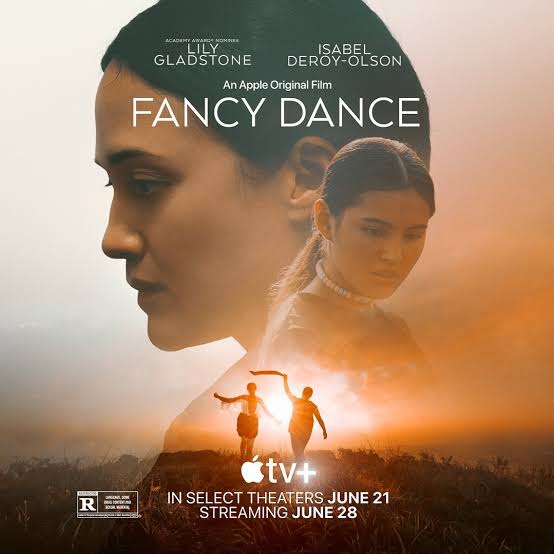
Film night at Cornell Cinema: Deaf President Now! & Fancy Dance
As part of the three-day Language, Memory, Future: 250 Years of Language in Our Region celebration, we will go to a free movie night at Cornell Cinema (here is information on Parking & Directions).
The two movies (with free popcorn!) are:
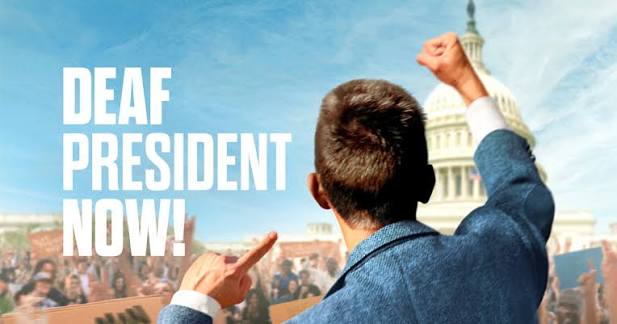
- 4:30 p.m.: “Deaf President Now!” The story of the 1988 student protest at Gallaudet University that led to the appointment of the university’s first Deaf president. The event will include a Zoom Q&A talk by Greg Hlibok, one of the student leaders featured in the film.
- 7:30 p.m.: “Fancy Dance” tells the story of a woman on the Seneca-Cayuga reservation searching for her missing sister while also introducing her niece to her first powwow.
Location: Cornell Cinema, Willard Straight Hall, Cornell University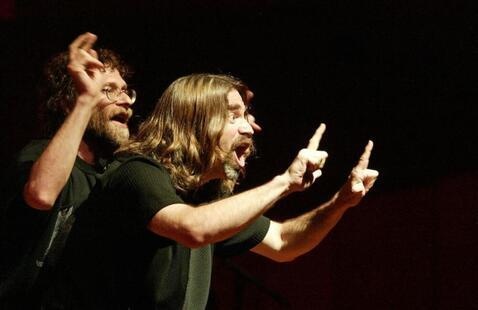
6th November 2026 06:30 PM
Performances by the Flying Words Project and the Ongwe'hon:wehkah Smoke Dancers
As part of the Language, Memory, Future celebration, there will be performances by Peter Cook and Kenny Lerner of the Flying Words Project and the Onkwe'hon:wehkah Smoke Dancers. During intermissions, attendees can try their hand at learning some words and phrases in ASL and Gayogo̱hó꞉nǫʼ. There will also be tables set up with materials for buttons/stickers and other hands-on projects related to language learning.
Flying Words Project
The Flying Words Project is Peter Cook and Kenny Lerner, who are pioneering artists of ASL poetry, blending American Sign Language, movement, visual theater, and spoken word. For more than 40 years, their internationally acclaimed performances have created vivid, three-dimensional poetry accessible to Deaf and hearing audiences, helping shape ASL poetry as a distinctive artistic form.
- -Peter Cook is a senior lecturer in the Program in Linguistics at Princeton University.
- -Kenny Lerner is a retired senior lecturer of history at RIT/NTID in Rochester, NY.
Here is a TV news story about the Flying Words Project that includes a brief interview with Kenny & Peter, along with snippets from their performance.
Chris Thomas and the Onkwe'hon:wehkah Smoke Dancers
Chris Thomas is an acclaimed singer, dancer, and cultural presenter known for his high-energy performances of traditional Haudenosaunee music and dance.
Specializing in the Smoke Dance—a fast-paced, competitive Native American dance form celebrated for its complex footwork and rhythms—he shares the rich living heritage of his people with audiences worldwide. Through his dynamic presentations and community leadership, he preserves Indigenous performance traditions while teaching the history, spirit, and athleticism behind Haudenosaunee social dances.
Here is a TV news story showing a performance of the Smoke Dancers.
Location: Klarman Hall, Rhodes-Rawlings Auditorium View map Add to calendar 232 East Ave, Ithaca, NY 14853
Facilities
The Cornell Phonetics Laboratory (CPL) provides an integrated environment for the experimental study of speech and language, including its production, perception, and acquisition.
Located in Morrill Hall, the laboratory consists of six adjacent rooms and covers about 1,600 square feet. Its facilities include a variety of hardware and software for analyzing and editing speech, for running experiments, for synthesizing speech, and for developing and testing phonetic, phonological, and psycholinguistic models.
Web-Based Phonetics and Phonology Experiments with LabVanced
The Phonetics Lab licenses the LabVanced software for designing and conducting web-based experiments.
Labvanced has particular value for phonetics and phonology experiments because of its:
- *Flexible audio/video recording capabilities and online eye-tracking.
- *Presentation of any kind of stimuli, including audio and video
- *Highly accurate response time measurement
- *Researchers can interactively build experiments with LabVanced's graphical task builder, without having to write any code.
Students and Faculty are currently using LabVanced to design web experiments involving eye-tracking, audio recording, and perception studies.
Subjects are recruited via several online systems:
- * Prolific and Amazon Mechanical Turk - subjects for web-based experiments.
- * Sona Systems - Cornell subjects for for LabVanced experiments conducted in the Phonetics Lab's Sound Booth
Computing Resources
The Phonetics Lab maintains two Linux servers that are located in the Rhodes Hall server farm:
- Lingual - This Ubuntu Linux web server hosts the Phonetics Lab Drupal websites, along with a number of event and faculty/grad student HTML/CSS websites.
- Uvular - This Ubuntu Linux dual-processor, 24-core, two GPU server is the computational workhorse for the Phonetics lab, and is primarily used for deep-learning projects.
In addition to the Phonetics Lab servers, students can request access to additional computing resources of the Computational Linguistics lab:
- *Badjak - a Linux GPU-based compute server with eight NVIDIA GeForce RTX 2080Ti GPUs
- *Compute server #2 - a Linux GPU-based compute server with eight NVIDIA A5000 GPUs
- *Oelek - a Linux NFS storage server that supports Badjak.
These servers, in turn, are nodes in the G2 Computing Cluster, which currently consists of 195 servers (82 CPU-only servers and 113 GPU servers) consisting of ~7400 CPU cores and 698 GPUs.
The G2 Cluster uses the SLURM Workload Manager for submitting batch jobs that can run on any available server or GPU on any cluster node.
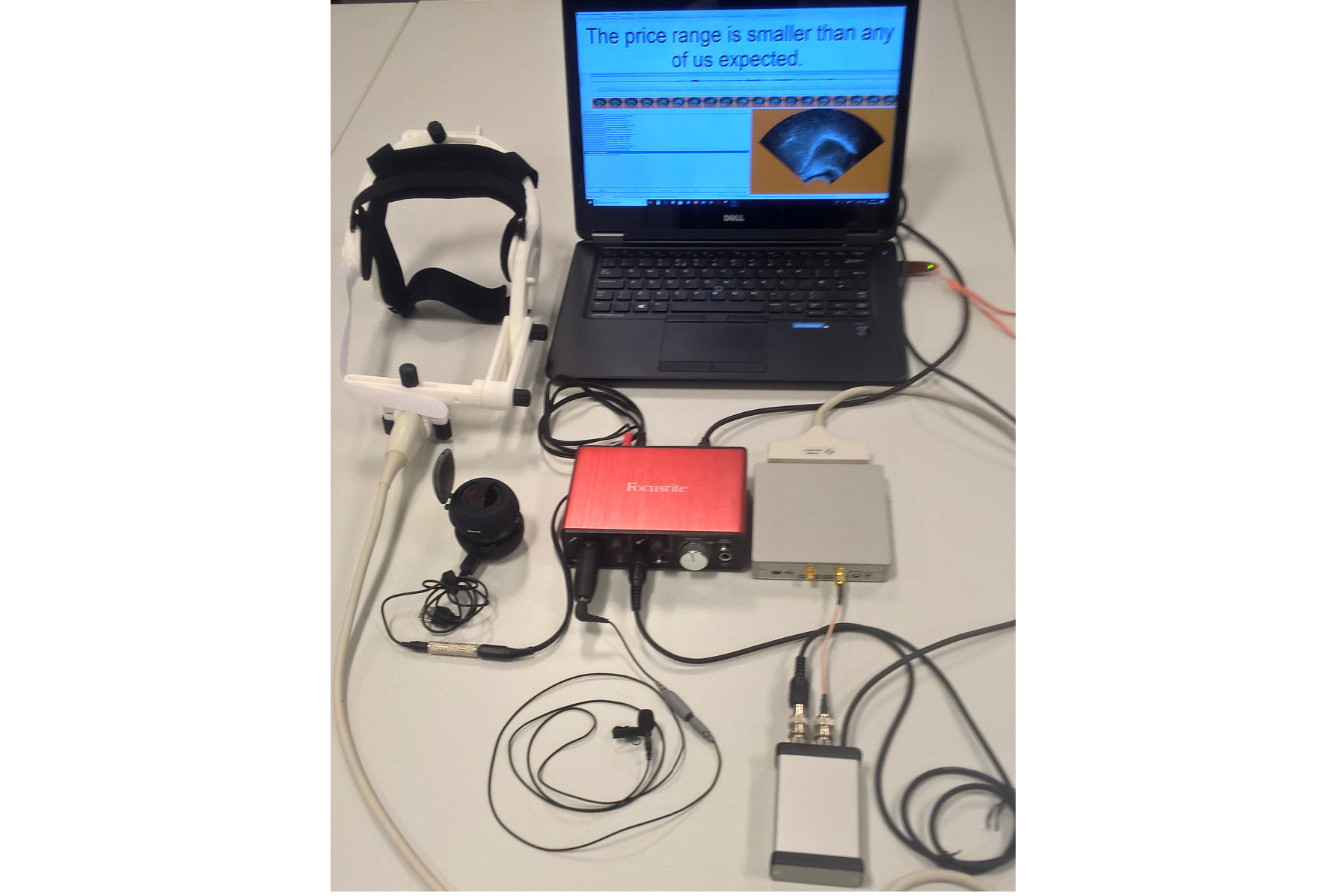
Articulate Instruments - Micro Speech Research Ultrasound System
We use this Articulate Instruments Micro Speech Research Ultrasound System to investigate how fine-grained variation in speech articulation connects to phonological structure.
The ultrasound system is portable and non-invasive, making it ideal for collecting articulatory data in the field.
BIOPAC MP-160 System
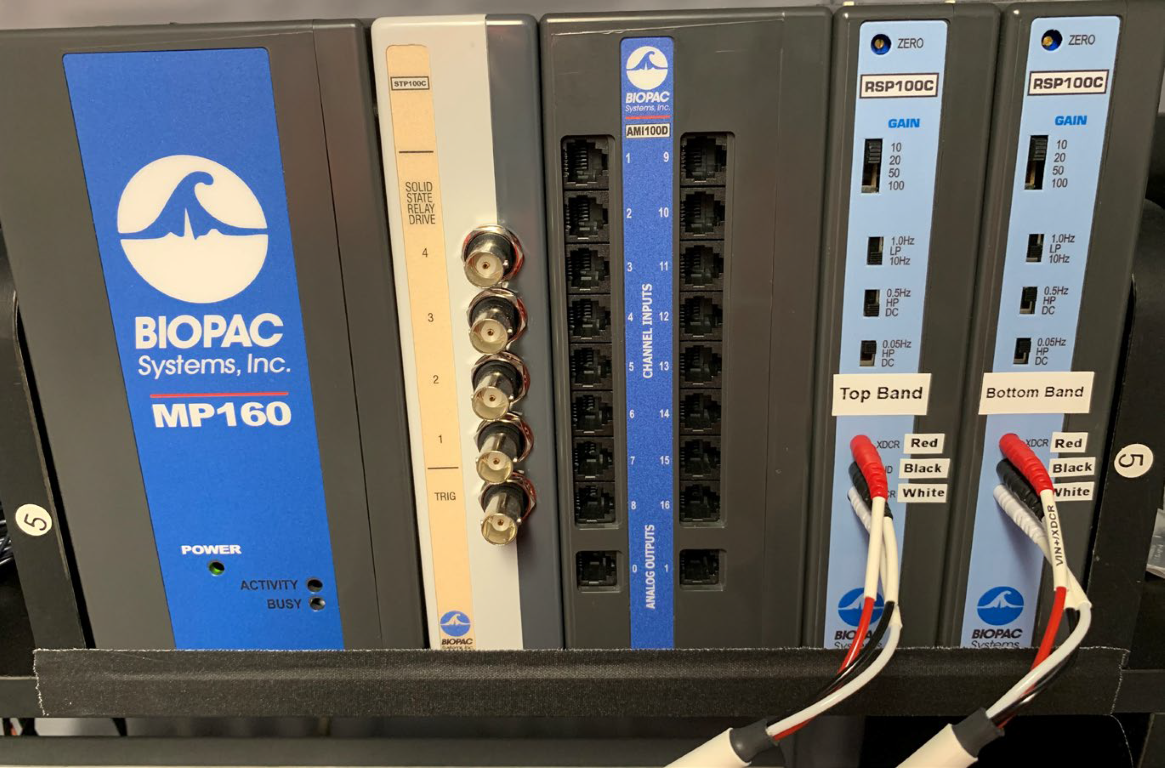
The Sound Booth Laboratory has a BIOPAC MP-160 system for physiological data collection. This system supports two BIOPAC Respiratory Effort Transducers and their associated interface modules.
Language Corpora
- The Cornell Linguistics Department has more than 915 language corpora from the Linguistic Data Consortium (LDC), consisting of high-quality text, audio, and video corpora in more than 60 languages. In addition, we receive three to four new language corpora per month under an LDC license maintained by the Cornell Library.
- This Linguistic Department web page lists all our holdings, as well as our licensed non-LDC corpora.
- These and other corpora are available to Cornell students, staff, faculty, post-docs, and visiting scholars for research in the broad area of "natural language processing", which of course includes all ongoing Phonetics Lab research activities.
- This Confluence wiki page - only available to Cornell faculty & students - outlines the corpora access procedures for faculty supervised research.
Speech Aerodynamics
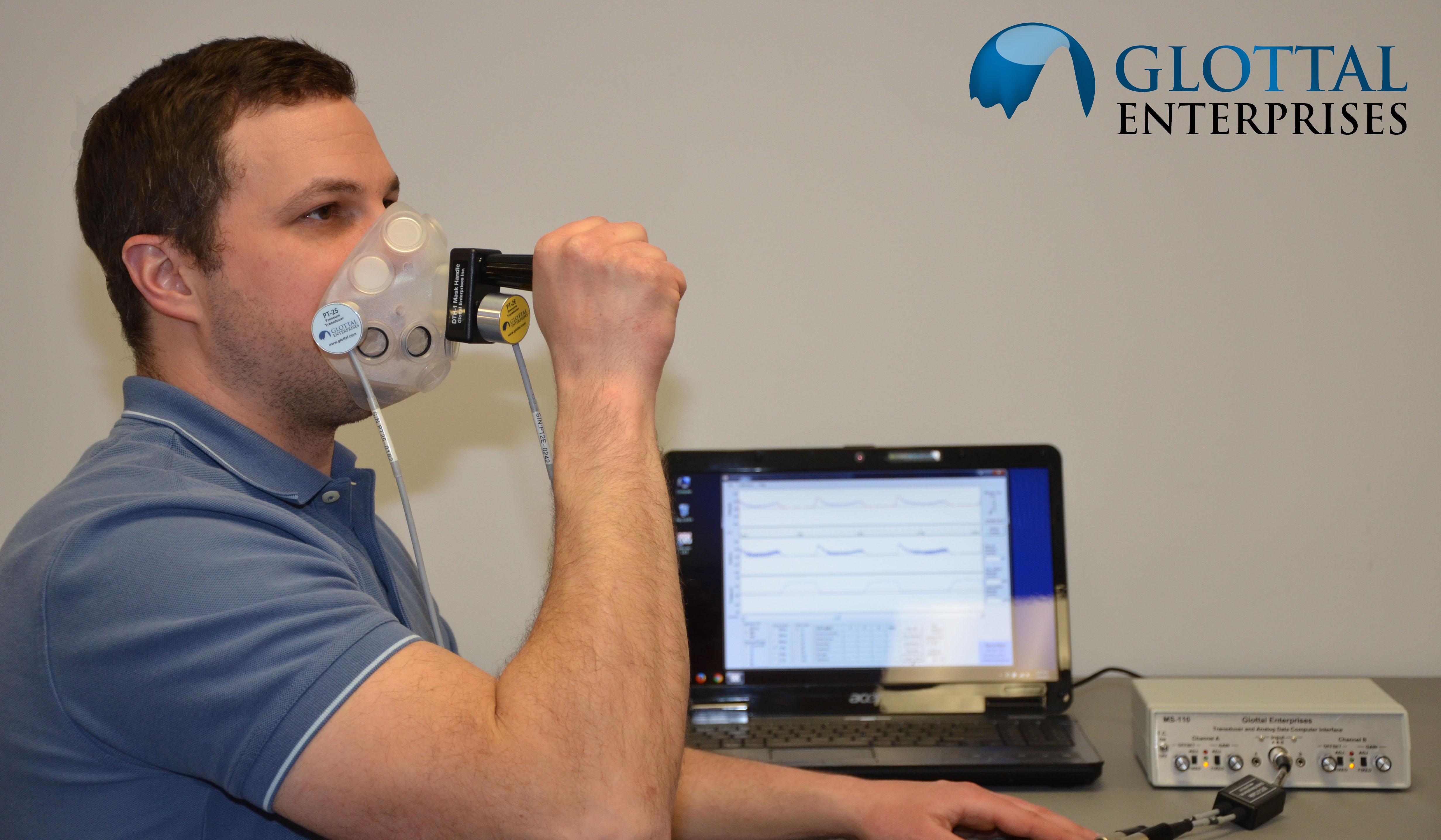
Studies of the aerodynamics of speech production are conducted with our Glottal Enterprises oral and nasal airflow and pressure transducers.
Electroglottography
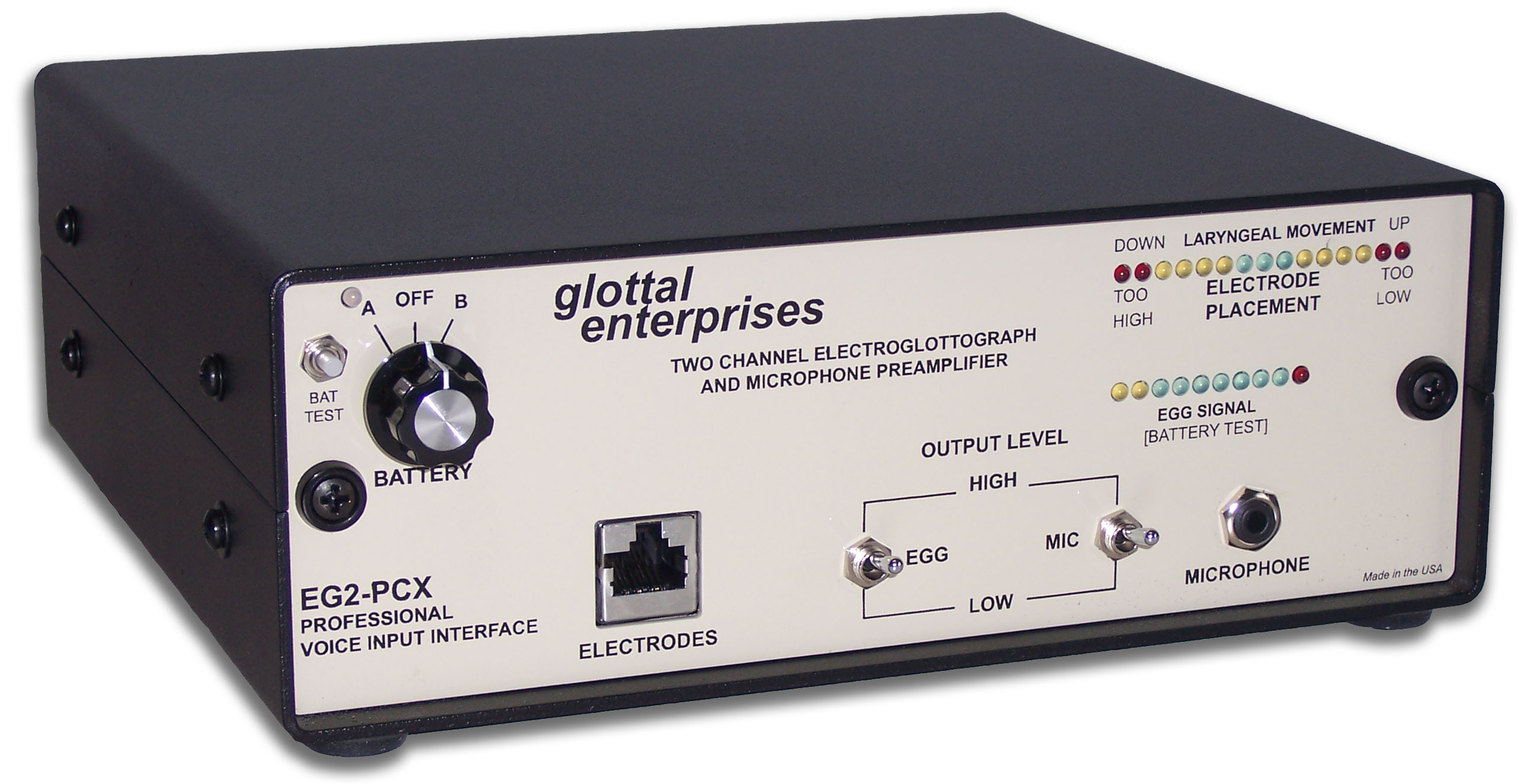
We use a Glottal Enterprises EG-2 electroglottograph for noninvasive measurement of vocal fold vibration.
Real-time vocal tract MRI
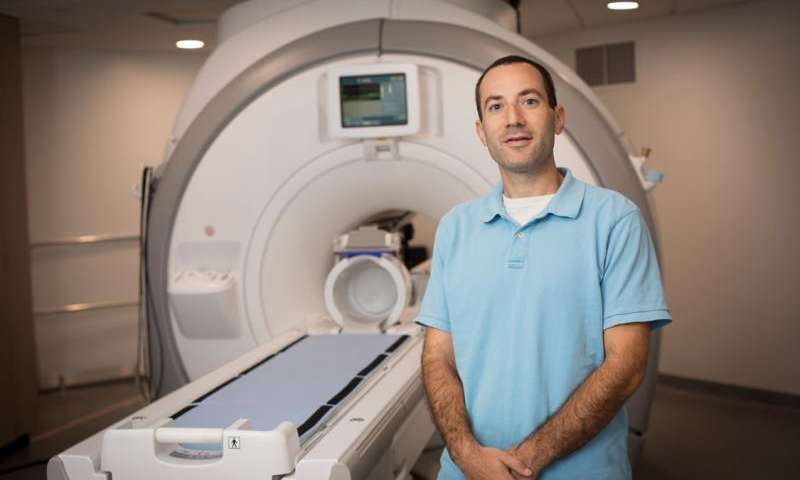
Our lab is part of the Cornell Speech Imaging Group (SIG), a cross-disciplinary team of researchers using real-time magnetic resonance imaging to study the dynamics of speech articulation.
Articulatory movement tracking
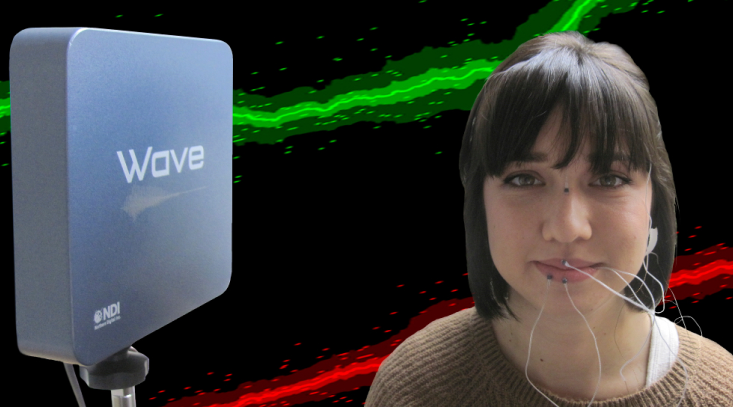
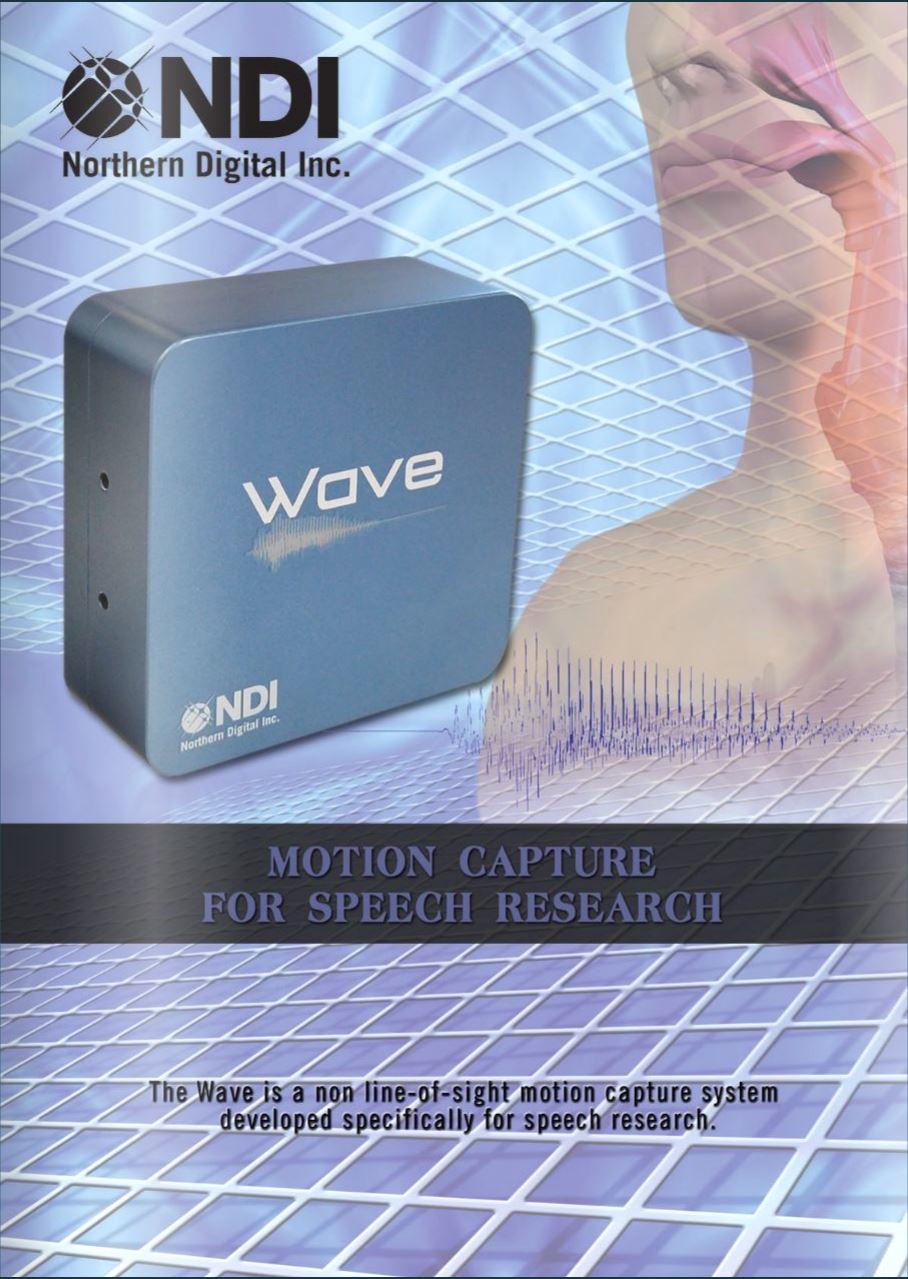
We use the Northern Digital Inc. Wave motion-capture system to study speech articulatory patterns and motor control.
Sound Booth
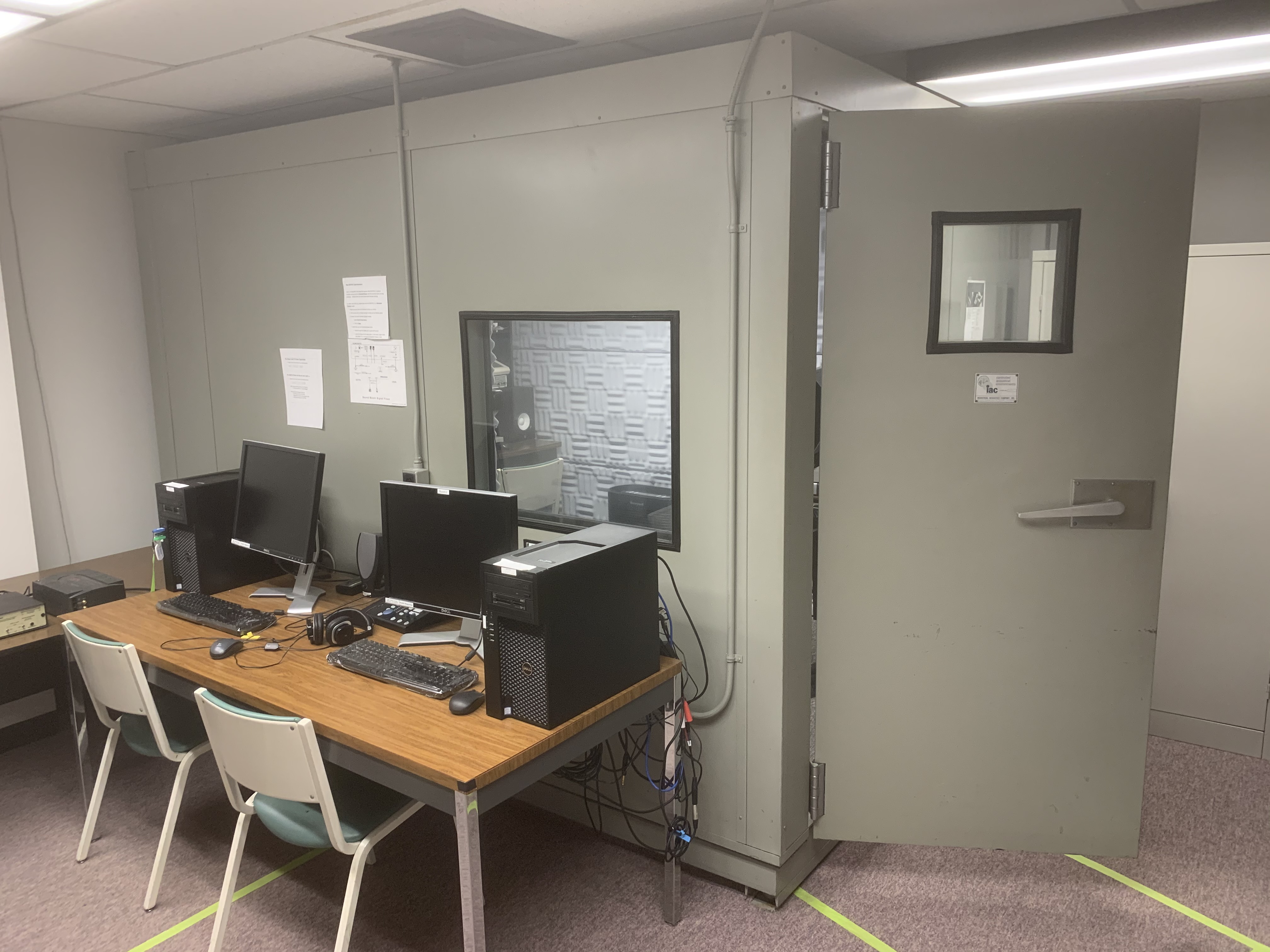
Our isolated sound recording booth serves a range of purposes--from basic recording to perceptual, psycholinguistic, and ultrasonic experimentation.
We also have the necessary software and audio interfaces to perform low latency real-time auditory feedback experiments via MATLAB and Audapter.
©Copyright 2020, Cornell University