About
The Cornell Phonetics Lab is a group of students and faculty who are curious about speech. We study patterns in speech — in both movement and sound. We do a variety research — experiments, fieldwork, and corpus studies. We test theories and build models of the mechanisms that create patterns. Learn more about our Research. See below for information on our events and our facilities.
Upcoming Events
14th October 2026 12:20 PM
PhonDAWG - Phonetics Lab Data Analysis Working Group
Fengyue (Lisa) will present a preliminary analysis of her dissertation data.
Location: B11 Morrill Hall, 159 Central Avenue, Morrill Hall, Ithaca, NY 14853-4701, USA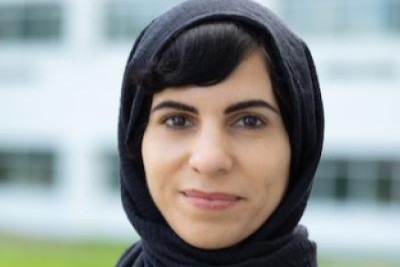
16th October 2026 03:00 PM
Cognitive Science Hybrid Colloquium: From Sensation to Meaning
The Fall 2026 Cornell Department of Psychology and Cognitive Science Program Colloquium Series presents Dr. Madineh Sedigh-Sarvestani, Assistant Professor and Howard Hughes Medical Institute Freeman Hrabowski Scholar in the Neurobiology and Behavior Department at Cornell University.
Dr. Sedigh-Sarvestani will give a talk titled: From Sensation to Meaning
Abstract:
How does sensory activity come to represent meaningful features of the world?
My lab studies this question in the visual systems of different species, using behavior to ask what information animals extract from sensory signals and how that information becomes useful for perception and action. By comparing animals with different bodies, sensory systems, and movement capabilities, we can ask how the problems a nervous system must solve depend on the particular ways an animal interacts with its environment.
I’ll describe ongoing projects that examine how relationships among sensation, action, and the physical world shape perception and its underlying neural representations.Across these studies, we ask how animals interpret sensory signals, how those interpretations can be altered by experience, and what this can reveal about how sensation comes to carry meaning.
Bio:
Madineh Sedigh-Sarvestani has a BA in Engineering from Harvey Mudd College and a PhD in Engineering Science & Mechanics from Penn State University. Her doctoral work focused on statistical and computational modeling of the brain rhythms involved in epilepsy.
She turned to visual neuroscience for her postdoctoral work, first with Diego Contreras and Larry Palmer at the University of Pennsylvania, and later with David Fitzpatrick at the Max Planck Florida Institute for Neuroscience.
Research Focus:
My lab uses multiple animal models to understand how the architecture and function of the brain’s sensory system meets the behavioral demands of the animal. One of our main goals is to understand how circuits in the visual system transform the visual inputs that arrive at the retina, the biological sensor in the back of the eye.
Our other main goal is to understand how the information encoded in visual circuits is shaped by an animal’s particular movements. This understanding is pivotal to discovering how visuomotor circuits become optimized to the unique demands of individual animals, including humans. We use in vivo two-photon imaging, electrophysiology, behavioral monitoring, and mathematical modeling to understand the structure and function of visual circuits, and how they are shaped by bodily movements.
In a subset of projects, we use sensors worn by the animal to record the inputs that various biological sensors, like the eye, receive during natural behaviors. Our work will contribute to understanding sensory processing in a manner more faithful to our experience as moving animals.
Location: G-90 Uris Hall, Cornell University Main Campus, Ithaca, NY 14853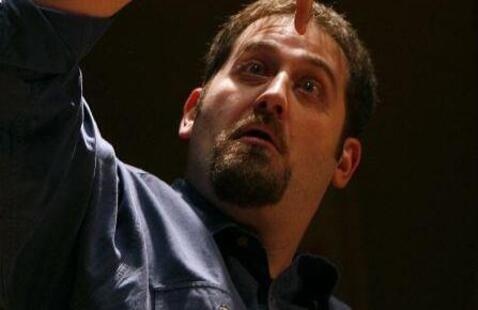
16th October 2026 07:00 PM
ASL Literature Series: Ben Jarashow Live!
The ASL Program at the Department of Linguistics proudly presents Ben Jarashow, Senior Lecturer at RIT/NTID.
Ben’s live storytelling show offers a collection of stories, ranging from embarrassing, comedic real-life experiences to stand-up comedy. Prepare for a visual journey filled with jellyfish and a grumpy wife, humor, vivid imagery, and laughter.
Ben Jarashow is a Deaf Studies educator, ASL storyteller, and performer whose passion for storytelling began at a young age. A Gallaudet graduate, Ben is curently a senior lecturer at RIT/NTID in Rochester, NY.
ASL/English interpretation will be provided.
Location: 132 Goldwin Smith Hall, 232 East Ave, Central Campus, Cornell University
23rd October 2026 08:00 AM
CNY Language Sound Structure Meeting: Workshop on Tone in Speech Corpora
We will travel to Syracuse University for the two-day CNY Language Sound Structure Meeting of the LIN10 Workshop on Tone in Speech Corpora. LIN10 will focus on methodologies for studying tone in speech corpora, with a goal of discussing and debating current and newly developed tools and best practices in their implementation.
On Friday (Noon to 5:30PM) we will meet in room 500 in the Hall of Languages, where invited speaker Kathryn Franich (Harvard University) will share tools developed in her lab to study tonal prominences and their intersection with speech rhythm.
On Saturday in Kittredge Auditorium (10:00AM to 5:00PM), we will have a series of short talks and roundtable discussions centered upon the workshop’s overarching theme of tonal phonology.
This workshop is funded and made possible by the CNY Humanities Corridor. More information can be found at https://www.cnycorridor.net/. We thank the CNY corridor for making this event possible. We are also grateful to SU’s Department of Languages, Literatures, and Linguistics for making their spaces available for use during the event.
Location: Syracuse University, Syracuse, NY
Facilities
The Cornell Phonetics Laboratory (CPL) provides an integrated environment for the experimental study of speech and language, including its production, perception, and acquisition.
Located in Morrill Hall, the laboratory consists of six adjacent rooms and covers about 1,600 square feet. Its facilities include a variety of hardware and software for analyzing and editing speech, for running experiments, for synthesizing speech, and for developing and testing phonetic, phonological, and psycholinguistic models.
Web-Based Phonetics and Phonology Experiments with LabVanced
The Phonetics Lab licenses the LabVanced software for designing and conducting web-based experiments.
Labvanced has particular value for phonetics and phonology experiments because of its:
- *Flexible audio/video recording capabilities and online eye-tracking.
- *Presentation of any kind of stimuli, including audio and video
- *Highly accurate response time measurement
- *Researchers can interactively build experiments with LabVanced's graphical task builder, without having to write any code.
Students and Faculty are currently using LabVanced to design web experiments involving eye-tracking, audio recording, and perception studies.
Subjects are recruited via several online systems:
- * Prolific and Amazon Mechanical Turk - subjects for web-based experiments.
- * Sona Systems - Cornell subjects for for LabVanced experiments conducted in the Phonetics Lab's Sound Booth
Computing Resources
The Phonetics Lab maintains two Linux servers that are located in the Rhodes Hall server farm:
- Lingual - This Ubuntu Linux web server hosts the Phonetics Lab Drupal websites, along with a number of event and faculty/grad student HTML/CSS websites.
- Uvular - This Ubuntu Linux dual-processor, 24-core, two GPU server is the computational workhorse for the Phonetics lab, and is primarily used for deep-learning projects.
In addition to the Phonetics Lab servers, students can request access to additional computing resources of the Computational Linguistics lab:
- *Badjak - a Linux GPU-based compute server with eight NVIDIA GeForce RTX 2080Ti GPUs
- *Compute server #2 - a Linux GPU-based compute server with eight NVIDIA A5000 GPUs
- *Oelek - a Linux NFS storage server that supports Badjak.
These servers, in turn, are nodes in the G2 Computing Cluster, which currently consists of 195 servers (82 CPU-only servers and 113 GPU servers) consisting of ~7400 CPU cores and 698 GPUs.
The G2 Cluster uses the SLURM Workload Manager for submitting batch jobs that can run on any available server or GPU on any cluster node.
Articulate Instruments - Micro Speech Research Ultrasound System
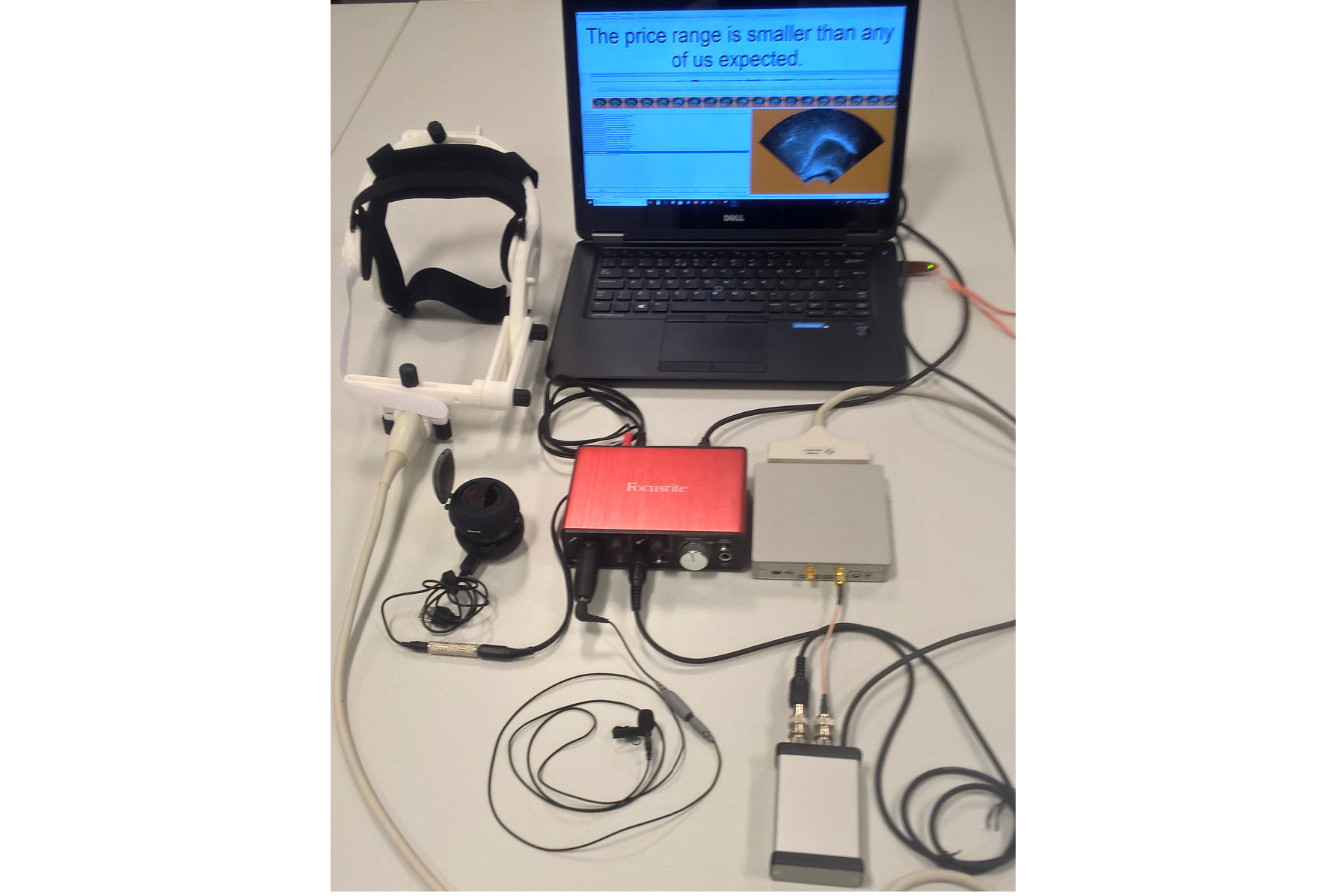
We use this Articulate Instruments Micro Speech Research Ultrasound System to investigate how fine-grained variation in speech articulation connects to phonological structure.
The ultrasound system is portable and non-invasive, making it ideal for collecting articulatory data in the field.
BIOPAC MP-160 System
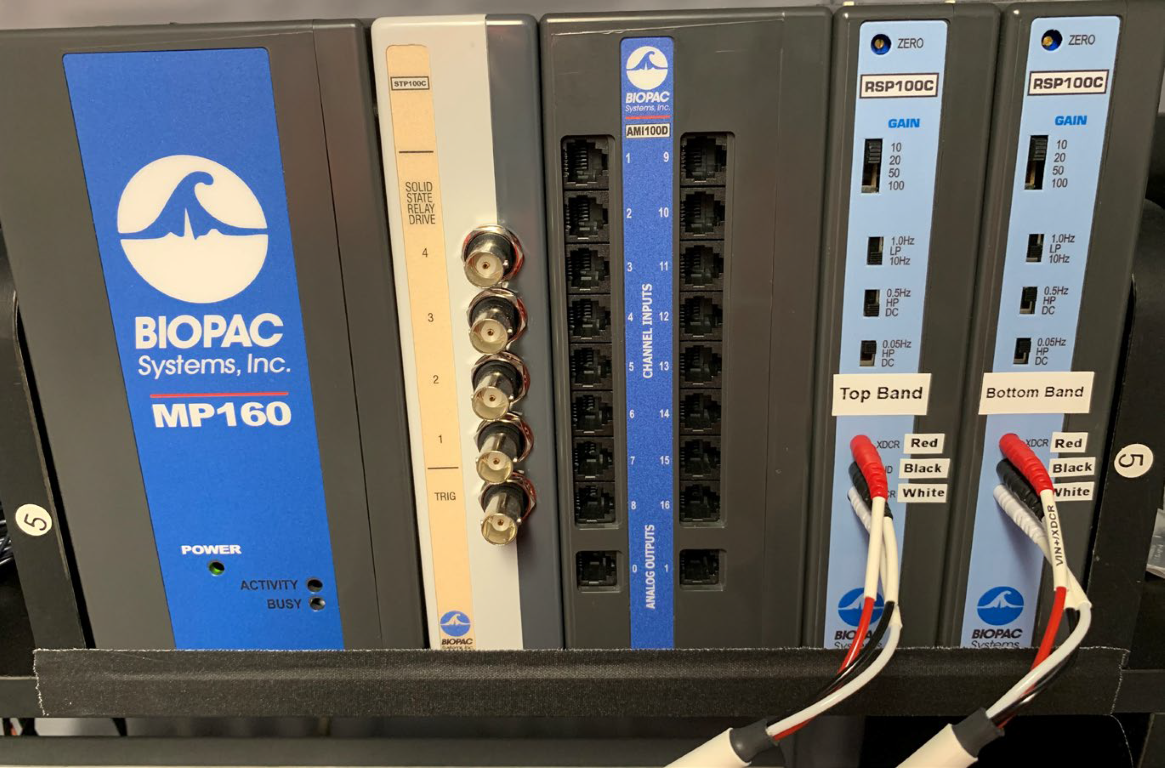
The Sound Booth Laboratory has a BIOPAC MP-160 system for physiological data collection. This system supports two BIOPAC Respiratory Effort Transducers and their associated interface modules.
Language Corpora
- The Cornell Linguistics Department has more than 915 language corpora from the Linguistic Data Consortium (LDC), consisting of high-quality text, audio, and video corpora in more than 60 languages. In addition, we receive three to four new language corpora per month under an LDC license maintained by the Cornell Library.
- This Linguistic Department web page lists all our holdings, as well as our licensed non-LDC corpora.
- These and other corpora are available to Cornell students, staff, faculty, post-docs, and visiting scholars for research in the broad area of "natural language processing", which of course includes all ongoing Phonetics Lab research activities.
- This Confluence wiki page - only available to Cornell faculty & students - outlines the corpora access procedures for faculty supervised research.
Speech Aerodynamics
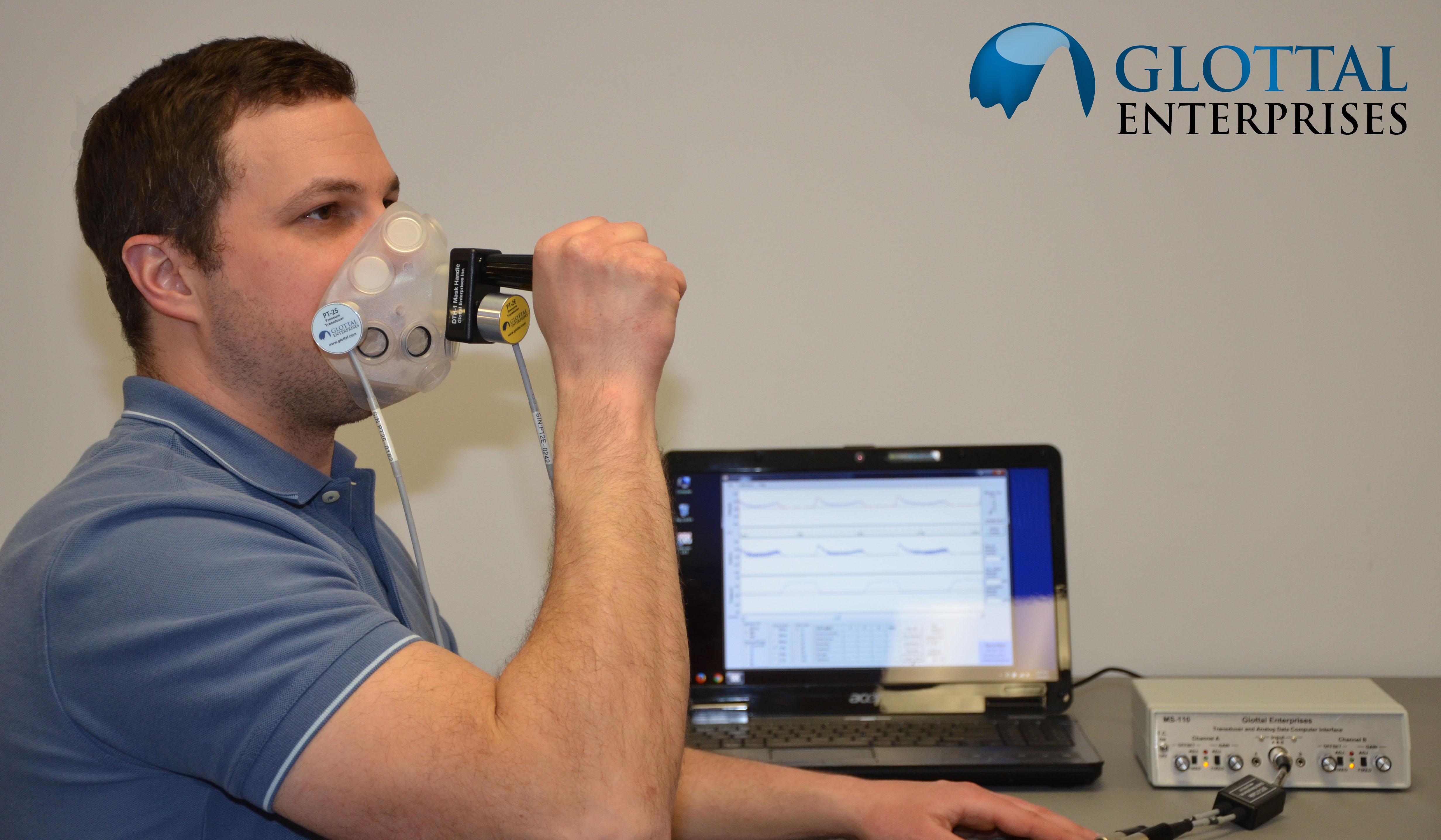
Studies of the aerodynamics of speech production are conducted with our Glottal Enterprises oral and nasal airflow and pressure transducers.
Electroglottography
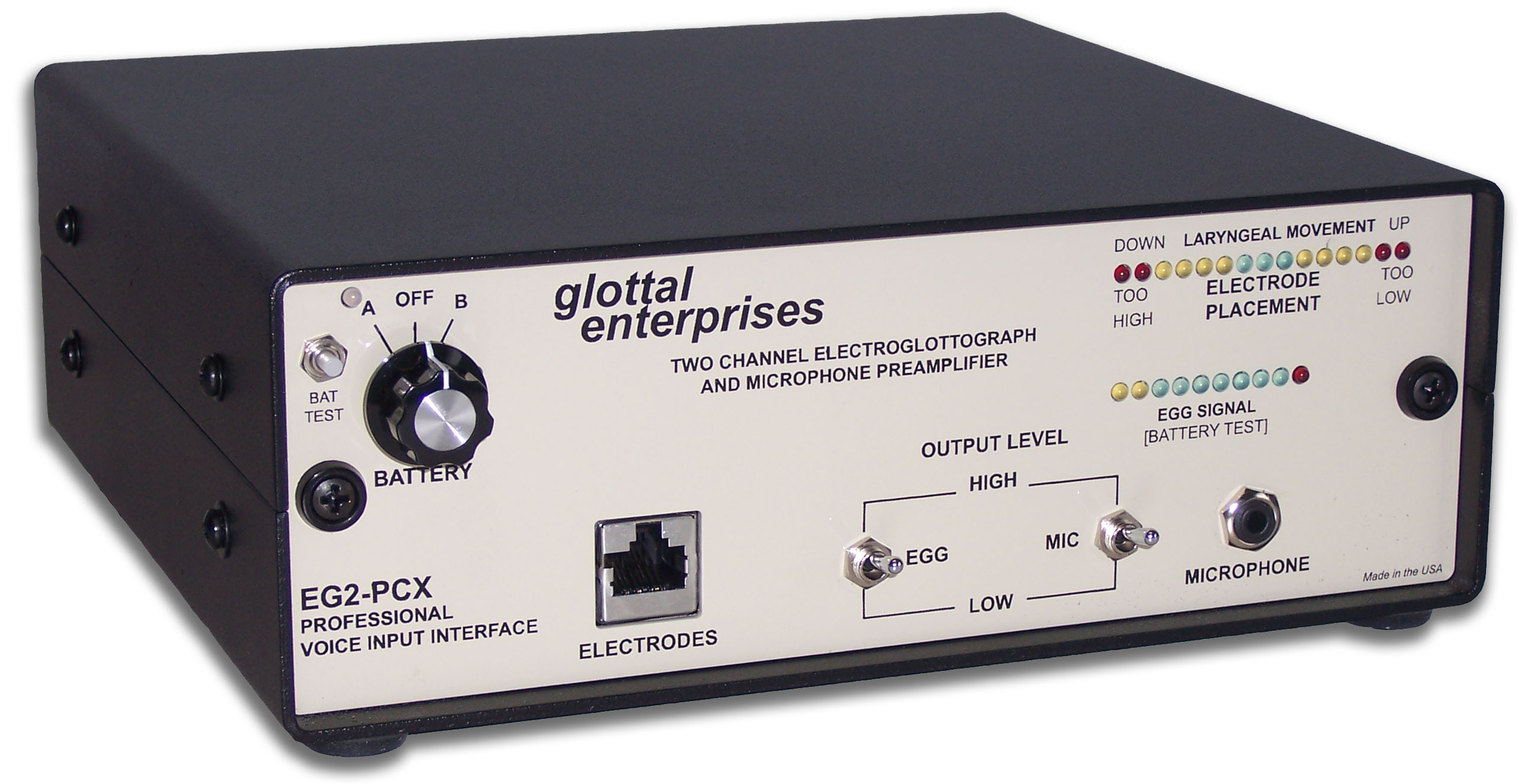
We use a Glottal Enterprises EG-2 electroglottograph for noninvasive measurement of vocal fold vibration.
Real-time vocal tract MRI
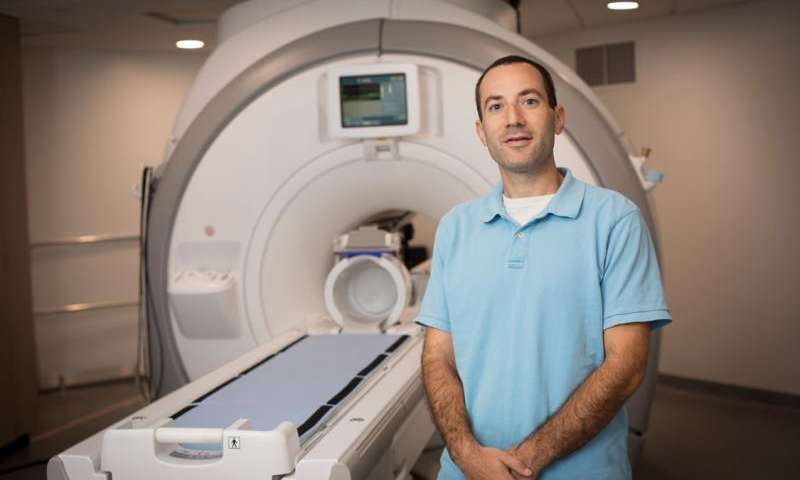
Our lab is part of the Cornell Speech Imaging Group (SIG), a cross-disciplinary team of researchers using real-time magnetic resonance imaging to study the dynamics of speech articulation.
Articulatory movement tracking
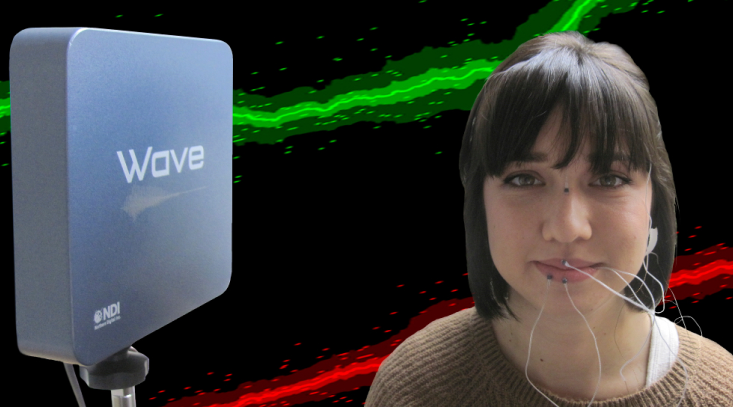
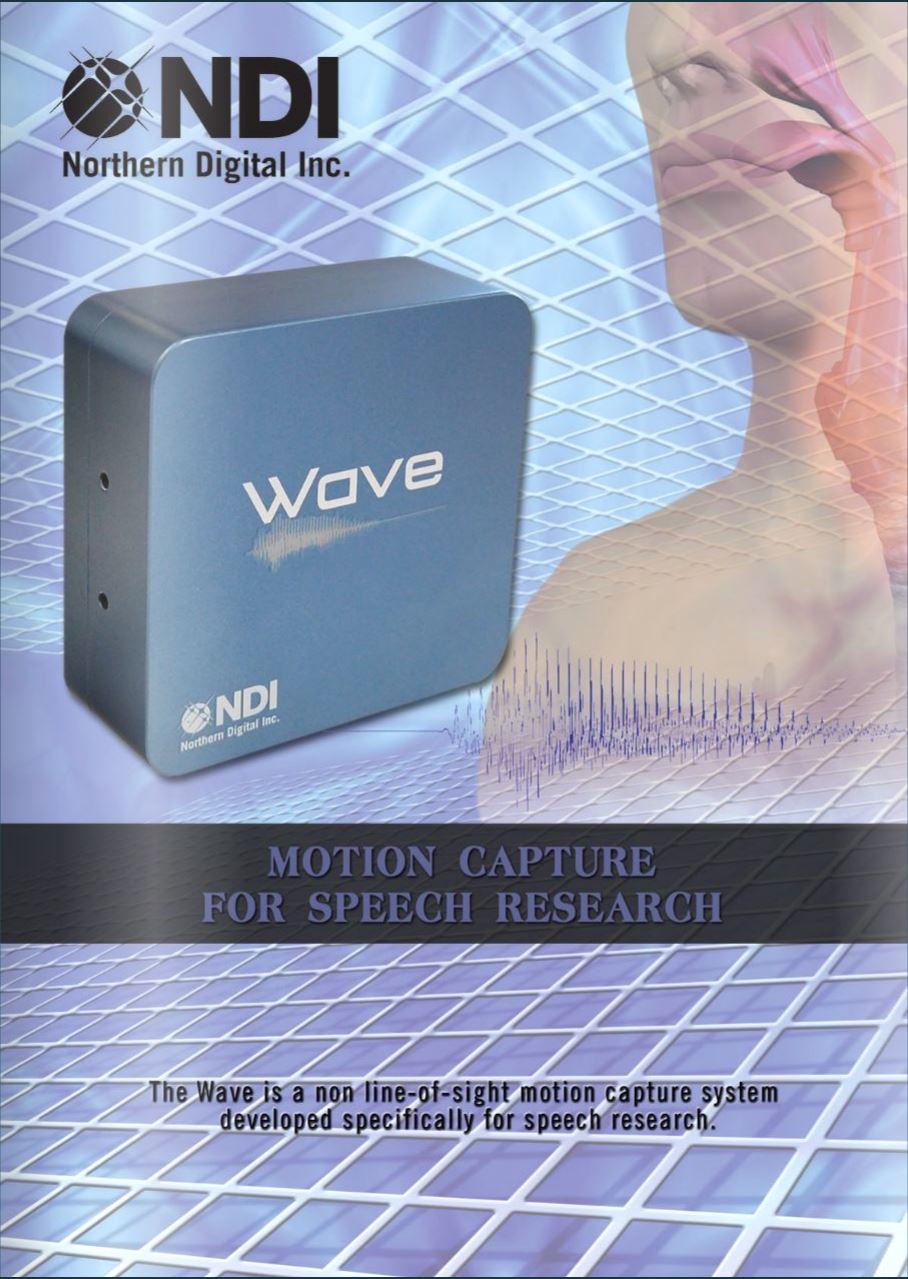
We use the Northern Digital Inc. Wave motion-capture system to study speech articulatory patterns and motor control.
Sound Booth
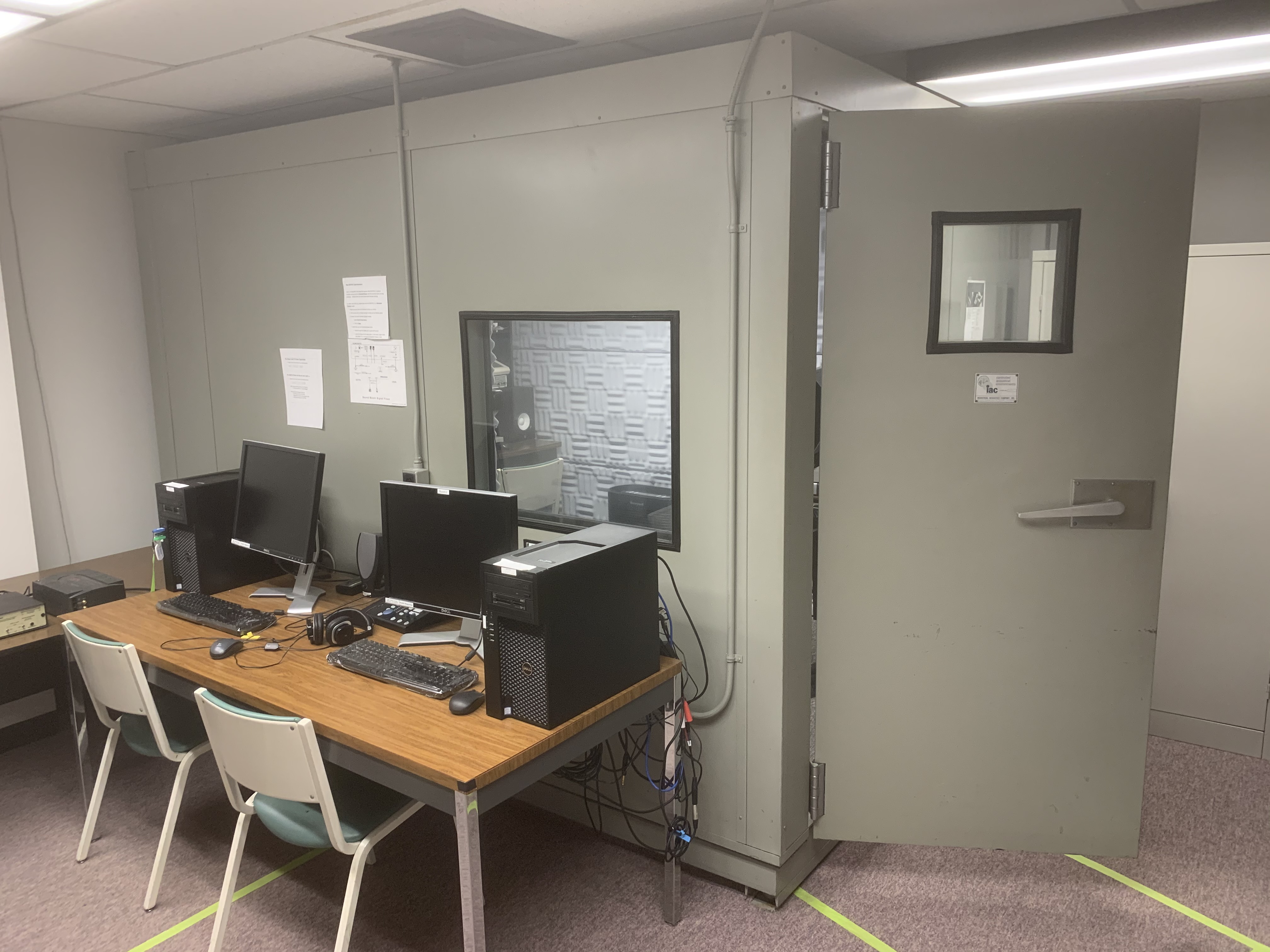
Our isolated sound recording booth serves a range of purposes--from basic recording to perceptual, psycholinguistic, and ultrasonic experimentation.
We also have the necessary software and audio interfaces to perform low latency real-time auditory feedback experiments via MATLAB and Audapter.
©Copyright 2020, Cornell University